A Complete Guide to Professional Septic Tank Installation for Long-Lasting Wastewater Solutions

Installing a septic tank is one of the most important steps in establishing a reliable and efficient wastewater management system for any residential or commercial property. Whether constructing a new building or replacing an outdated system, proper septic tank installation ensures long-term sanitation, environmental protection, and daily convenience. Because the process involves soil evaluation, precise measurements, regulatory compliance, and specialized tools, it requires expertise and a structured approach. Understanding how Septic Tank Installation Brighton works—and why quality matters—helps property owners make more informed decisions and protect their investment for years to come.

septic tank installation

A well-installed septic system operates quietly in the background, continuously processing wastewater to keep a property clean and functional. But when the installation is rushed, poorly designed, or improperly executed, it can create issues such as sewage backups, foul odors, groundwater contamination, and expensive structural damage. That is why dependable septic tank installation services are essential. With the right professionals, every step from site assessment to system testing is handled with accuracy and care, guaranteeing long-term performance and compliance with environmental standards.

Before the installation begins, a thorough site evaluation is necessary to determine the right type of septic system for the property’s soil and layout. The soil must be able to absorb and filter wastewater safely, which is why percolation tests and soil classification are crucial. Installers analyze the land slope, groundwater depth, and available space to ensure that the septic tank and drain field function correctly and meet regulatory requirements. These early assessments set the foundation for a successful installation and prevent costly problems in the future.

One of the key components of septic tank installation is choosing the right tank material and size. Property owners often select concrete, fiberglass, or polyethylene tanks, depending on their budget, durability needs, and soil conditions. The tank must be large enough to handle the expected wastewater volume while allowing adequate separation of solid waste. In many cases, professionals recommend larger tanks for growing households to reduce the frequency of pumping and maintain optimal system efficiency. Getting the right size from the start is a smart long-term investment.

Once the design and sizing are finalized, excavation work begins. This stage requires precision to dig the right depth and length according to the tank’s specifications. Heavy equipment is used to create a stable, leveled area for the tank. A misaligned or uneven installation can lead to tank shifting, cracks, or drainage issues. Professional installers understand how to prepare the ground to support the tank safely while ensuring that all inlet and outlet pipes are positioned correctly. With proper alignment, the system maintains constant flow and avoids unnecessary pressure buildup.

After excavation, the septic tank is carefully lowered into the trench. This step requires specialized handling to avoid damage to the tank or surrounding soil. Once the tank is placed, installers secure the connections between the tank and the property’s plumbing lines. They also install the drain field, which is essential for filtering and dispersing treated wastewater back into the soil. The drain field layout depends on property size, soil type, and wastewater demand. A well-designed drain field ensures the septic system runs smoothly with minimal maintenance needs.

During installation, ventilation and access points are added to the system to allow oxygen flow and easy access for future pumping and inspection. These features help maintain a healthy bacterial environment inside the tank, which is responsible for breaking down waste naturally. Without proper ventilation, the tank may develop odor issues or become less efficient at processing waste. Access points are also vital for future septic tank pumping, repairs, and routine maintenance.

Before the system is covered with soil, installers perform detailed testing to ensure every component functions correctly. They check for leaks, confirm proper water flow, and verify that the drain field is dispersing water evenly. Testing is an important step because it allows issues to be corrected before the system is sealed underground. Once everything passes inspection, the tank and the rest of the system are backfilled with soil, and the installation process is complete.

When homeowners or property managers choose reliable septic tank installation services, they benefit from expert guidance from start to finish. Experienced installers offer insights about soil preparation, tank sizing, environmental requirements, and long-term care. They ensure that all regulatory standards are met, which helps avoid future fines, environmental hazards, or unnecessary repairs. A quality installation also increases property value, especially in areas where septic systems are common.

While septic tank installation is a major project, it also sets the foundation for decades of efficient wastewater management. To maximize the longevity of a newly installed septic system, property owners should follow simple maintenance steps. Routine pumping, typically recommended every three to five years, keeps the tank from overflowing and protects the drain field from damage. It is also important to avoid flushing harmful materials such as grease, chemicals, and non-biodegradable items, as these can disrupt bacterial balance and clog the system. With the right habits, a professionally installed septic tank can last for many decades.

To further understand why professional installation is so important, consider the most common problems that arise from poor workmanship. Improper excavation, for example, can cause the tank to settle unevenly and create fractures. Incorrect pipe placement can result in sewage backups or slow drainage inside the property. Insufficient drain field sizing can overwhelm the soil, causing standing water and unpleasant odors. These issues often lead to expensive repairs and environmental health concerns. By hiring qualified experts from the beginning, property owners avoid these risks.

Here are two examples of critical installation steps that require professional expertise:

  1. Accurate Soil Testing and System Design
  2. Soil composition affects how efficiently wastewater drains. Professionals conduct precise tests to calculate absorption rates and determine the best system layout.
  3. Proper Drain Field Construction
  4. The drain field must be carefully constructed to ensure even water distribution. Errors in this stage can cause flooding, backups, and system failure.

These steps highlight why septic tank installation requires technical skill and experience. Skipping or rushing them can lead to long-term functional and environmental problems.

Another important advantage of professional septic tank installation is compliance with environmental standards. Wastewater mishandling can contaminate nearby soil, water sources, and ecosystems. Professionals ensure that tank placement follows guidelines to prevent contamination and promote safe waste filtration. This environmental protection is essential not only for property owners but for surrounding communities and natural habitats.

After installation, property owners should be aware of the early signs of septic system issues. Slow drains, wet patches in the yard, gurgling sounds in plumbing, or unpleasant smells can indicate that the system needs attention. Catching these signs early helps avoid larger problems and ensures that the system continues to function efficiently. Having access to a reliable septic service provider makes it easier to schedule maintenance, inspections, and pumping when needed.

Although septic tank installation is a significant investment, it offers long-term savings compared to other wastewater solutions. A well-installed and properly maintained septic system reduces the risk of frequent repairs, water contamination issues, and property damage. It also functions independently from municipal sewer systems, giving property owners more control over their wastewater management and long-term utility expenses.

As demand for sustainable wastewater solutions increases, modern septic systems have become more advanced and more efficient. Today’s systems are designed to handle higher volumes, withstand harsh soil conditions, and promote better waste breakdown. Professional installers stay updated on the latest technology to ensure property owners receive durable, safe, and high-performing systems tailored to their needs.

In summary, septic tank installation is a multi-step process that requires technical knowledge, careful planning, and professional execution. From soil testing and tank selection to excavation, system assembly, and final testing, each stage plays a critical role in the system’s long-term success. Property owners who invest in expert installation services benefit from reliable wastewater management, increased property value, environmental safety, and long-lasting performance.

Ultimately, choosing experienced professionals for septic tank installation is the best way to ensure that the system operates efficiently for many years. With proper sizing, design, installation, and ongoing maintenance, a septic tank becomes a dependable and sustainable wastewater solution that supports daily living and protects the environment. Whether for new construction or system replacement, investing in quality installation is a decision that pays off through enhanced durability, safety, and peace of mind.

The Role of Waterproofing in Protecting Your Foundation

Pros Foundation Repair Greensboro NC

Pros Foundation Repair Greensboro NC offering several long-term benefits that help maintain structural integrity, improve indoor air quality, reduce repair costs and enhance property value.

Visible water puddles and moisture spots suggest foundation problems that may include structural weakening, mold or mildew growth and insect infestation. Waterproofing membranes and coatings prevent this damage and protect against future issues.

Structural Integrity

Waterproofing is an essential step in ensuring the structural integrity of your building. In addition to protecting the foundation from moisture, it can also prevent damage to your walls and roof. Having your building professionally assessed and repaired as soon as you see signs of structural issues can help you avoid costly, extensive repairs down the road.

Structural problems can be caused by a variety of factors, including environmental conditions, natural disasters, and the age of your structure. These problems can lead to structural deterioration, causing cracks and other damage in your home.

Waterproofing can be used to protect concrete, brick, timber and other materials from water infiltration. Depending on the type of waterproofing used, it can be effective for residential and commercial buildings, including basements, swimming pools, water tanks, underground garages, walkways, and other structures. The term “waterproof” refers to the ability of a material or structure to resist penetration of water in liquid or gas form, while “water-resistant” describes resistance to water vapor.

There are two main types of waterproofing: Dampproofing and waterproofing. According to the International Building Code, dampproofing is treatment of a surface or structure to retard the passage of water vapor and moisture, while waterproofing is protection from penetration of water in its liquid or gas forms. Dampproofing can be achieved using products such as cement backer boards, which are made of reinforced cement molded into sheets that are durable and able to withstand excessive moisture. Waterproofing can be achieved by installing coatings, membranes, or concrete additives such as special admixtures that reduce moisture absorption.

Having your home properly waterproofed is an important step in protecting your property from structural problems, such as mold and water seepage. In addition to waterproofing your foundation, it is also important to make sure that your home has proper drainage and soil moisture management. This includes directing rainwater away from your house, maintaining good soil compaction, and ensuring that all gutters are clean and functioning properly. Regular inspections and maintenance are essential to ensure that any potential issues are addressed promptly, helping you to avoid major repairs in the future.

Indoor Air Quality

Whether in the form of floods, puddles, wall and floor cracks or musty smells and staining, visible water damage is just one of many issues that building owners face. Waterproofing helps prevent these problems and protects a home or commercial structure from water leaks, contaminant leaks, mold, mildew, and other health hazards, ensuring structural integrity and improving the resale value of a property.

Waterproofing also protects against other invisible damage that can affect indoor air quality, like vapor and chemical leaks. These leaks may originate from combustion sources (like wood or coal heating, cooking appliances and fireplaces) or from a variety of other sources, such as cleaning products, paints, and insecticides. The link between these pollutants and adverse health effects is well documented, especially for those with preexisting respiratory conditions.

Local climate and seasonal changes can also affect groundwater levels, influencing the risk of water intrusion into buildings and structures. A waterproofing system designed to mitigate this issue should take into account factors such as prevailing rainfall and annual temperature fluctuations.

Choosing the right waterproofing strategy also requires consideration of the materials used in the construction of a building, as different materials absorb and react differently to water. This is particularly true of concrete, which can lose its strength when subjected to prolonged exposure to moisture. Waterproofing systems should be designed to address these issues, as well as the type of soil a structure is built on, and any other unique site-specific factors.

In addition to reducing the presence of harmful gases and chemicals, waterproofing membranes can also help reduce the amount of volatile organic compounds (VOCs) in the air. VOCs are often present in innocuous compounds such as glue and paint, and can cause a wide range of health problems, from headaches to cancer and respiratory ailments. VOCs are a particular concern for those with asthma and other respiratory conditions.

Waterproofing membranes not only help reduce VOCs but also reduce the presence of other common indoor air contaminants, such as radon, particulate matter and carbon monoxide. This is an important consideration, as a high level of IAQ contributes to the health and productivity of a building’s occupants.

Reduced Repair Costs

Waterproofing keeps water and contaminants out of structures, extending their longevity and ensuring that they meet environmental safety recommendations. This can help reduce repair costs for homes and businesses, especially if the structure is located in an area with high rainfall or earthquake risk.

In addition to keeping the water out, waterproofing also prevents it from entering and damaging your home or building’s foundation. When moisture enters a concrete or stone foundation, it can lead to structural damage, mold and mildew, and even a collapsed or weakened building structure. Waterproofing protects your investment by reducing the need for expensive repairs and replacements.

If you notice small cracks or damp spots near your foundation, it’s important to take action as soon as possible. These early signs can indicate that there is moisture in the soil and walls, which can increase over time.

Getting waterproofing and repairs done promptly can reduce the likelihood of severe problems later on, saving you money and stress. During the waterproofing process, your contractor will thoroughly inspect the surface to identify any issues. If a problem is found, your contractor will recommend the best solution for your needs.

It is also a good idea to schedule regular inspections and maintenance for your foundation. This way, you can catch any minor issues before they turn into serious problems. Waterproofing is a smart long-term investment for any homeowner or business owner, especially those in Florida where moisture and humidity are common problems.

When you’re choosing a waterproofing company for your project, it is important to choose one with experience and expertise. This is a job that requires careful handling of chemicals and working in tight crawl spaces. A contractor with a strong track record and proven results will save you the headache of dealing with costly mistakes. Professional waterproofing companies can ensure that your repair work is code-compliant, weather-resistant, and built to last, especially in Florida’s unpredictable climate. This can significantly reduce your future repair costs and give you peace of mind.

Increased Property Value

Waterproofing helps prevent damage that can lower the value of your home or business. It protects against structural damage and other problems caused by moisture that can lead to mold growth, musty odors, damp walls, and ceiling leaks. It’s important to take care of these issues early, before the problem gets worse and leads to bigger repair bills or costly structural damage.

Waterproof coatings and membranes keep moisture out of concrete structures, like foundations, basements, roofs, patios, and balconies. They are formulated to resist both above-grade bulk water and below-grade water inflation due to hydrostatic pressure. They are available in both liquid and sheet membranes that are designed to hold up to Florida’s climate challenges.

When a waterproofing system is properly installed, it creates a barrier that stops moisture from seeping through cracks in your concrete or mortar. It also protects against ground movement, which can be a problem for slab and crawlspace foundations. Proper waterproofing includes a drainage layer that moves water away from the foundation and to gutters.

It is important to get foundation waterproofing done by a licensed and experienced professional. They will use products that are designed to handle heavy rainfall, humidity, and shifting soil. They will also use materials that are nontoxic and resistant to mold growth.

The most important reason to invest in waterproofing is that it will save you money over time. A well-waterproofed foundation reduces the need for repairs and maintenance and can help protect your family’s health and safety.

Watch for signs of dampness and water damage around your foundation, such as musty odors or dark spots on your walls and ceilings. If you notice these signs, call a professional right away to get your foundation waterproofed. Doing so will help protect your investment and prevent problems that can lead to costly repairs later on.

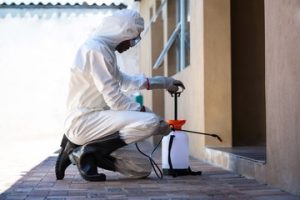
How Professional Pest Control Keeps Your Property Safe and Pest-Free

Professionals understand pest behavior and tactics to keep them away from your property. They also have tools that penetrate better into the nooks and crannies where pests hide.

They identify and seal entry points as well as remove attractants such as food sources to prevent infestations before they happen. This proactive approach enhances your comfort and safety, and saves you money over the long term. To get started, click here at https://www.benspest.biz/

pest control

Expertise

Professional pest control is a highly specialized service. While DIY traps and sprays might work for minor infestations, professional services provide advanced solutions that are tailored to your specific needs, addressing the root causes of your pest problem. The best pest control technicians use their years of training and hands-on experience to deliver effective results, keeping your property safe and pest-free.

Pest control professionals have extensive knowledge about the biology, behavior, and habits of a variety of different pests. This allows them to identify and address problems quickly and accurately, while preventing future infestations. For example, a professional can tell you the most common hiding places for pests in your area and offer guidance on how to prevent them from accessing your home.

Similarly, pest control professionals have access to high-quality chemicals in controlled amounts that are safer for children and pets than the over-the-counter (OTC) products available in stores. Moreover, pest control technicians have the proper equipment and knowledge to safely handle and apply these chemicals.

Professionals know how to identify and treat infestations of various kinds, including termites, ants, bees, rodents, and more. They also know how to identify and repair any structural issues that could contribute to pest infestations. This preventative approach is essential to minimizing the risk of pests invading your home and saving you money on costly repairs down the road.

In addition, pest control technicians often have a wide range of tools that are not usually available to homeowners. This includes fogging machines for effective treatment of hard-to-reach spaces, bait stations that safely attract and kill pests, and thermal imaging cameras to help locate hidden nests and other areas. These specialized tools are more effective than traditional methods and can save you a significant amount of time and stress in the long run.

While some pests like cockroaches and rodents are merely a nuisance, others cause serious damage that can be expensive to fix. In fact, according to the Department of Agriculture, termites alone are responsible for $40 billion in damage each year. By hiring a professional pest control expert, you can ensure that these pests and other unwanted intruders are kept away from your property for good.

Safety

Professionals have access to advanced tools and techniques that most DIY solutions can’t match. These tools enable them to identify pest infestations with precision, target them specifically, and provide long-term prevention strategies.

Insects, rodents, and other pests can pose serious health risks if not dealt with quickly and effectively. The adage, “an ounce of prevention is worth a pound of cure,” has never been truer when it comes to pests. By keeping your property trimmed, sealing cracks and gaps around the home, and regularly cleaning areas where food is stored or consumed, you can reduce the likelihood of pests seeking shelter in your home.

When you sign up for a pest control plan, the professionals will work to prevent future infestations before they have a chance to take hold. This is an invaluable investment in the safety of your family and your property.

If you choose to hire a pest control service, be sure to check the company’s reputation and experience. Look for a company with a history of positive customer reviews and a solid track record. Ensure that the company is licensed to operate in your area and that its technicians have up-to-date certifications. It is also a good idea to ask the company about their insurance, in case any injuries or damage occur during treatment.

Pest control experts are trained in the behaviors, habits, and biology of a variety of different pests, enabling them to use targeted strategies for eradication. They can also identify the causes of your pest problem and help you address them, such as by recommending a leaky basement repair or sealing crawl spaces.

The professional will also have access to safer chemicals than the ones you can purchase at a local hardware store. The chemicals that a professional uses will be designed to kill the specific pests they are targeting, but may not be harmful to humans or pets in small amounts. However, it is important to note that if you choose to apply insecticides on your own, you should always follow the manufacturer’s instructions and wear proper protection when handling these chemicals.

Time

Professional pest control services can save property owners a lot of time and money in the long run. Whether it’s rats chewing through wires or cockroaches destroying your kitchen, pest infestations can be serious and cause significant damage to your home. By acting quickly at the first signs of pests, you can prevent these pesky invaders from spreading and causing more widespread damage.

In addition, professional pest control experts take into account the specific needs of your property when creating and executing their treatment plans. These tailored approaches make it more likely that they will effectively eradicate the pests and prevent them from returning.

Another reason why professional pest control is more effective than DIY solutions is that professionals understand how to properly use the chemicals they deploy in your home or business. They have been trained to know the right amount of product to apply to various infestations, how and when to apply it, and what to look out for during application. This ensures that you are protected from harmful exposure while also getting the best results possible.

Pest control is a complicated process that requires an eye for detail that you might not have. Pest control professionals are trained to spot the smallest signs of an infestation that might otherwise go unnoticed by the average person, and they will work tirelessly to find all the pests and eliminate them from your property.

The length of time it takes for pest control professionals to eradicate a pest infestation depends on several factors, including the type of pests involved and how extensive the infestation is. They will usually conduct a thorough inspection and assessment of your property before starting any treatments, so that they can identify the species of pests and their locations. They will also collect information from you about any visible signs of infestation that you have noticed, such as droppings or damage to structures.

Once the treatment has been completed, pest control specialists will often advise you on how to keep pests at bay in the future. This can include things like sealing entry points, cleaning up food sources, and removing other attractants. They can also offer ongoing maintenance plans that include routine inspections and targeted re-applications to ensure that pests never have the chance to get out of hand again.

Money

The adage, “An ounce of prevention is worth a pound of cure,” rings especially true when it comes to pest control. Spraying down a swarm of ants or placing a trap under the sink may make you feel like you’re doing something, but if it doesn’t address the root of the problem, then these tactics could end up costing you more in the long run. Professionals work to prevent recurring infestations and property damage, saving you money on hefty repair bills in the future.

A licensed pest control technician goes through extensive training to understand the biology of insects and their behavior, and how best to apply chemicals safely and effectively. They also have what you might call a “trained eye,” which is invaluable for spotting the subtle signs of an infestation that might escape the untrained homeowner. These trained eyes allow them to spot potential problems during routine treatments and provide helpful advice on how to prevent future infestations.

Professionals have access to products that are not available to the general public, and this allows them to create comprehensive strategies that eradicate pests at all levels, instead of simply applying a quick fix. In addition, professional-grade chemicals are designed to penetrate the cracks and crevices where pests hide, offering a much more effective treatment than store-bought sprays or traps.

While it might seem expensive to hire professionals, consider the costs of a full-blown infestation. Relying on DIY solutions might save you a little in the short term, but it’s often only a matter of time before these pests move on to wreak havoc with your property. A few simple steps, such as regularly trimming your landscaping and keeping food in airtight containers, can help prevent these pests from gaining a foothold around your home. If you do end up hiring a pest control company, look for one with a good track record and excellent customer reviews to ensure that you’re getting the most out of your service. Be sure to ask about licensing and insurance, as these are important aspects to consider.

Navigation