Author: Abraham Schneider

The Role of Waterproofing in Protecting Your Foundation

Pros Foundation Repair Greensboro NC

Pros Foundation Repair Greensboro NC offering several long-term benefits that help maintain structural integrity, improve indoor air quality, reduce repair costs and enhance property value.

Visible water puddles and moisture spots suggest foundation problems that may include structural weakening, mold or mildew growth and insect infestation. Waterproofing membranes and coatings prevent this damage and protect against future issues.

Structural Integrity

Waterproofing is an essential step in ensuring the structural integrity of your building. In addition to protecting the foundation from moisture, it can also prevent damage to your walls and roof. Having your building professionally assessed and repaired as soon as you see signs of structural issues can help you avoid costly, extensive repairs down the road.

Structural problems can be caused by a variety of factors, including environmental conditions, natural disasters, and the age of your structure. These problems can lead to structural deterioration, causing cracks and other damage in your home.

Waterproofing can be used to protect concrete, brick, timber and other materials from water infiltration. Depending on the type of waterproofing used, it can be effective for residential and commercial buildings, including basements, swimming pools, water tanks, underground garages, walkways, and other structures. The term “waterproof” refers to the ability of a material or structure to resist penetration of water in liquid or gas form, while “water-resistant” describes resistance to water vapor.

There are two main types of waterproofing: Dampproofing and waterproofing. According to the International Building Code, dampproofing is treatment of a surface or structure to retard the passage of water vapor and moisture, while waterproofing is protection from penetration of water in its liquid or gas forms. Dampproofing can be achieved using products such as cement backer boards, which are made of reinforced cement molded into sheets that are durable and able to withstand excessive moisture. Waterproofing can be achieved by installing coatings, membranes, or concrete additives such as special admixtures that reduce moisture absorption.

Having your home properly waterproofed is an important step in protecting your property from structural problems, such as mold and water seepage. In addition to waterproofing your foundation, it is also important to make sure that your home has proper drainage and soil moisture management. This includes directing rainwater away from your house, maintaining good soil compaction, and ensuring that all gutters are clean and functioning properly. Regular inspections and maintenance are essential to ensure that any potential issues are addressed promptly, helping you to avoid major repairs in the future.

Indoor Air Quality

Whether in the form of floods, puddles, wall and floor cracks or musty smells and staining, visible water damage is just one of many issues that building owners face. Waterproofing helps prevent these problems and protects a home or commercial structure from water leaks, contaminant leaks, mold, mildew, and other health hazards, ensuring structural integrity and improving the resale value of a property.

Waterproofing also protects against other invisible damage that can affect indoor air quality, like vapor and chemical leaks. These leaks may originate from combustion sources (like wood or coal heating, cooking appliances and fireplaces) or from a variety of other sources, such as cleaning products, paints, and insecticides. The link between these pollutants and adverse health effects is well documented, especially for those with preexisting respiratory conditions.

Local climate and seasonal changes can also affect groundwater levels, influencing the risk of water intrusion into buildings and structures. A waterproofing system designed to mitigate this issue should take into account factors such as prevailing rainfall and annual temperature fluctuations.

Choosing the right waterproofing strategy also requires consideration of the materials used in the construction of a building, as different materials absorb and react differently to water. This is particularly true of concrete, which can lose its strength when subjected to prolonged exposure to moisture. Waterproofing systems should be designed to address these issues, as well as the type of soil a structure is built on, and any other unique site-specific factors.

In addition to reducing the presence of harmful gases and chemicals, waterproofing membranes can also help reduce the amount of volatile organic compounds (VOCs) in the air. VOCs are often present in innocuous compounds such as glue and paint, and can cause a wide range of health problems, from headaches to cancer and respiratory ailments. VOCs are a particular concern for those with asthma and other respiratory conditions.

Waterproofing membranes not only help reduce VOCs but also reduce the presence of other common indoor air contaminants, such as radon, particulate matter and carbon monoxide. This is an important consideration, as a high level of IAQ contributes to the health and productivity of a building’s occupants.

Reduced Repair Costs

Waterproofing keeps water and contaminants out of structures, extending their longevity and ensuring that they meet environmental safety recommendations. This can help reduce repair costs for homes and businesses, especially if the structure is located in an area with high rainfall or earthquake risk.

In addition to keeping the water out, waterproofing also prevents it from entering and damaging your home or building’s foundation. When moisture enters a concrete or stone foundation, it can lead to structural damage, mold and mildew, and even a collapsed or weakened building structure. Waterproofing protects your investment by reducing the need for expensive repairs and replacements.

If you notice small cracks or damp spots near your foundation, it’s important to take action as soon as possible. These early signs can indicate that there is moisture in the soil and walls, which can increase over time.

Getting waterproofing and repairs done promptly can reduce the likelihood of severe problems later on, saving you money and stress. During the waterproofing process, your contractor will thoroughly inspect the surface to identify any issues. If a problem is found, your contractor will recommend the best solution for your needs.

It is also a good idea to schedule regular inspections and maintenance for your foundation. This way, you can catch any minor issues before they turn into serious problems. Waterproofing is a smart long-term investment for any homeowner or business owner, especially those in Florida where moisture and humidity are common problems.

When you’re choosing a waterproofing company for your project, it is important to choose one with experience and expertise. This is a job that requires careful handling of chemicals and working in tight crawl spaces. A contractor with a strong track record and proven results will save you the headache of dealing with costly mistakes. Professional waterproofing companies can ensure that your repair work is code-compliant, weather-resistant, and built to last, especially in Florida’s unpredictable climate. This can significantly reduce your future repair costs and give you peace of mind.

Increased Property Value

Waterproofing helps prevent damage that can lower the value of your home or business. It protects against structural damage and other problems caused by moisture that can lead to mold growth, musty odors, damp walls, and ceiling leaks. It’s important to take care of these issues early, before the problem gets worse and leads to bigger repair bills or costly structural damage.

Waterproof coatings and membranes keep moisture out of concrete structures, like foundations, basements, roofs, patios, and balconies. They are formulated to resist both above-grade bulk water and below-grade water inflation due to hydrostatic pressure. They are available in both liquid and sheet membranes that are designed to hold up to Florida’s climate challenges.

When a waterproofing system is properly installed, it creates a barrier that stops moisture from seeping through cracks in your concrete or mortar. It also protects against ground movement, which can be a problem for slab and crawlspace foundations. Proper waterproofing includes a drainage layer that moves water away from the foundation and to gutters.

It is important to get foundation waterproofing done by a licensed and experienced professional. They will use products that are designed to handle heavy rainfall, humidity, and shifting soil. They will also use materials that are nontoxic and resistant to mold growth.

The most important reason to invest in waterproofing is that it will save you money over time. A well-waterproofed foundation reduces the need for repairs and maintenance and can help protect your family’s health and safety.

Watch for signs of dampness and water damage around your foundation, such as musty odors or dark spots on your walls and ceilings. If you notice these signs, call a professional right away to get your foundation waterproofed. Doing so will help protect your investment and prevent problems that can lead to costly repairs later on.
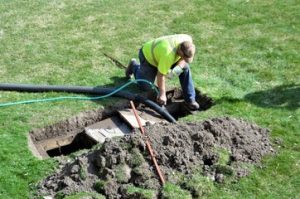
The Benefits of Septic Tank Pumping

Septic systems are a valuable asset to any home. When properly maintained, they can provide years of reliable service.

Septic Tank

If your sinks, showers, and toilets drain more slowly than usual or emit unpleasant sewage smells, it’s time to get the septic tank pumped. Deferring this important task can cause costly, long-term damage. Contact The Septic Guys for professional help.

A well-functioning septic tank system is an essential element of your home, supporting daily activities like washing machines, sinks, and toilets. A regular septic tank pumping service protects your home and the environment by preventing sewage overflow and wastewater damage. It also promotes efficient wastewater treatment.

Wastewater contains bacteria, viruses, and harmful pathogens that can pose a health risk if it seeps into your home or yard. If your septic tank overflows, these pathogens can flood your home and contaminate your water supply. Regular septic tank pumping ensures that wastewater is contained and treated within your septic tank system, protecting you and your family from these dangerous germs.

Keeping your septic tank and drain field well-maintained can extend their lifespan, reducing repair and replacement costs. It can also prevent clogs, blockages, and other costly problems that can affect the functionality of your septic tank.

Septic systems are a more environmentally friendly alternative to municipal sewer systems, as they use natural processes to treat household waste rather than energy-intensive pumps and treatment plants. A regularly-pumped septic tank can prevent groundwater contamination, reduce energy use, and protect the health of your home, garden, and property.

Having your septic tank pumped regularly can save you money, improve the environmental health of your home, and boost the value of your property. However, it’s important to note that septic tank pumping should be performed by professionals. If you attempt to do it yourself, you could face expensive repairs and tank failure due to improper cleaning and handling. It’s also unsafe to enter a septic tank without proper safety gear and training. Contact the professional septic tank service providers at Summers Plumbing Heating & Cooling to safely and effectively maintain your home’s septic tank system.

Prevents Environmental Contamination

Septic systems provide a valuable service to the environment, processing household wastewater and purifying it before it returns to groundwater sources. However, if left unchecked, solid waste can accumulate within the tank, leading to system failure and contamination of local water resources. Regular septic tank pumping prevents this accumulation and ensures that your septic system functions as intended.

When wastewater flows into your septic system, solid waste settles at the bottom of the tank while lighter materials float to the top. Over time, this creates a layer of sludge that reduces the space available for new wastewater flow. This can lead to clogs, blockages, and environmental contamination if it reaches the drain field. Pumping the septic tank eliminates this buildup and keeps it from reaching critical levels, extending your system’s lifespan and preventing costly repairs.

If your septic system isn’t pumped regularly, sewage will leak into the soil or into your home. Not only is this disgusting, but it also poses a health risk for your family. Getting your septic tank pumped regularly protects you from toxic sewage waste and helps preserve the value of your home.

In order to complete a septic tank pumping, professionals first inspect the septic tank’s interior condition to evaluate any potential hazards or needed septic tank repairs. Then, a powerful vacuum truck is used to remove all of the liquid effluent and solid sludge/scum from your septic system. After the tank is emptied, professional technicians conduct another inspection to look for any cracks or structural damage that may require immediate attention. The entire process is performed with strict compliance to environmental safety protocols, ensuring that all hazardous materials are contained and never endanger local ecosystems or water supplies.

Prevents Clogs and Blockages

If your home’s drains begin to function more slowly, it may be a sign that your septic tank is nearing capacity or that there’s a serious clog. In such situations, it’s a good idea to call an experienced septic tank service provider for prompt action. They can dislodge solidified sludge and debris using powerful equipment, eliminating the existing clog and preventing future ones from developing.

When your septic system is clogged, raw sewage will back up into your house, presenting a health hazard. It could also leak into the surrounding soil, contaminating groundwater and potentially putting your local ecosystems at risk. Getting your septic tank pumped regularly prevents this from happening, so it’s a valuable investment in the safety and well-being of your family.

Aside from septic tank pumping, you can take several other preventative measures to keep your septic system functioning as it should. For example, you can spread out heavy water usage tasks such as laundry and showering throughout the day to avoid overwhelming your septic tank at once. Moreover, you can install water-efficient washing machines and toilets to further cut down on your septic system’s workload.

Additionally, you should avoid pouring chemical cleaners and other non-organic materials down your septic system’s drains. This is because such substances can kill the bacteria that break down solid waste, leading to clogs and system failure. By taking these steps and having your septic tank pumped regularly, you can avoid the dangers of an overflowing and clogged system, which can cause costly damage to your property. In addition, septic tank pumping will help to maintain your property’s value and curb appeal. When potential buyers evaluate your property, they will be able to see that your septic tank is being maintained and pumped as it should be.

Promotes Efficient Wastewater Treatment

Septic tanks that don’t get pumped on a regular basis have trouble processing waste properly, which means it ends up escaping into the environment. Untreated sewage seepage threatens soil and water quality, contaminating plant and animal life with disease-causing pathogens. Regular tank pumping helps ensure a healthy and clean ecosystem, protecting property values.

Septic systems also promote self-sufficiency, giving homeowners independence from centralized municipal infrastructure. This is a great benefit for rural properties and those that prefer to avoid service interruptions and price fluctuations dictated by utility providers.

Proper care for septic systems and their pumps reduces the need to replace them, saving homeowners thousands of dollars in the long run. Skilled technicians are essential for system inspections and installation, as well as routine pumping services to prevent costly failures.

Keeping a septic system in good condition protects living environments by preventing unpleasant odors and sewage backups. It also contributes to the overall value of a home and property, making it more appealing to potential buyers.

The need for septic tank pumping depends on a variety of factors, including household size, water usage habits, and tank size. Larger families produce more wastewater than smaller ones, resulting in tanks that fill up faster. Using garbage disposals or flushing non-biodegradable materials also increases tank filling rates.

Signs of a full tank include wastewater backing up into sinks, toilets, and drains, as well as puddles or soggy areas in the yard. Foul odors are another clear indicator that the septic tank needs to be pumped. A professional technician will examine the septic tank to determine the level of solid waste and sludge, which must be removed completely in order to keep the tank functioning properly.

Ensures Peace of Mind

Your septic system handles the waste and debris that leaves your home each day. When this material makes its way into the septic tank, microbes work their magic, breaking it down into simpler substances and turning the liquid wastewater into clear effluent that moves into the drainfield for further natural filtration. Solid waste and scum that doesn’t break down remains at the bottom of the tank, which must be pumped regularly to avoid overflows and backups. Taking the time to care for your septic system reduces risks, protecting your family’s health and the environment around you.

Septic system issues like clogs and leaks are costly to repair, and they can leave lasting damage that affects the performance of your entire household plumbing. Investing in regular pumping prevents these problems, saving you money and avoiding expensive repairs down the road. Choosing professional services also gives you the peace of mind that comes with knowing your system is being cared for by experienced and knowledgeable professionals who understand septic tanks well.

A septic tank alarm is another essential investment for homeowners, providing early warning of a pump failure or a blockage in the system. These devices generally consist of a float switch wired into a small alarm panel that triggers a signal when the tank level rises, alerting you of the problem before it becomes an emergency. Some septic tank alarms are designed with a GSM dial-out feature, making it easy to notify professionals of the issue and enabling you to get help quickly. Maintaining your septic tank is an important part of your home’s plumbing, but it’s also an asset that can increase your property value. Prospective buyers view a well-maintained septic system as a sign of responsible ownership, and it can make the difference between getting and losing your dream home.

Navigation