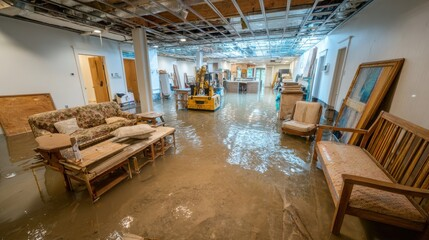
Author: Bethany Webster

Emergency Water Damage Restoration – What to Do First

Water Damage Restoration Salt Lake City

Water damage is a serious issue that can cause expensive repairs, compromised insurance claims, and even dangerous mold. Knowing what to do first after a water emergency can help minimize the damage, save your belongings, and make Water Damage Restoration Salt Lake City process easier.

Timely action is essential because every hour that passes increases the damage and expense. Here’s a straightforward guide to the key steps in the immediate aftermath of a water disaster:

1. Turn Off the Water

If you have a leaky pipe, ceiling leak, or other water damage problem, the first thing to do is stop the flow of water. Whether it’s clean water from a burst pipe or contaminated water from a sewer backup, turning off the water will stop any further damage and help limit costs for restoration. You can usually shut off the water by locating your home’s emergency water valve, which is typically found in your basement, garage, or crawl space. If you are unable to find the valve, contact your water provider immediately to turn off your water supply until the problem can be investigated.

Once the water is stopped, mop or blot any remaining puddles, and use fans and dehumidifiers to speed up the drying process. If you can safely do so, remove anything valuable from the area to protect it from moisture damage. The longer puddles remain, the more they soak into carpeting, furniture, wood flooring, and walls. This causes structural deterioration and leads to mold growth, which is not covered by insurance and will require more extensive and expensive repairs.

As soon as the water is stopped and your belongings removed, take clear photos of the damage for documentation purposes. This will help reduce long-term damage and speed up the insurance claims process. You should also inform your insurance provider as quickly as possible to guide you through the claims process and let you know what is covered by your policy.

Even if the water damage seems minimal, you should call for professional help to fully assess and restore your home. Licensed professionals have access to advanced equipment like wet/dry vacuums, commercial fans and dehumidifiers, moisture meters, and more to fully dry out your property. They will also be able to spot hidden moisture in walls, floors, and insulation that might lead to future problems like mold, mildew, or structural damage.

A full restoration company is available 24/7 to assist with water removal, drying, and cleaning, and will work directly with your insurance provider to simplify the claims process. Call CMS Restoration for a fast response and trusted service, from inspection through repair and rebuilding.

2. Turn Off the Electricity

When faced with a home emergency, it’s important to know what to do first. That’s especially true when it comes to water damage. Water doesn’t wait, and every hour that passes increases the damage exponentially.

One of the most important steps in any emergency situation is to shut off electricity at the breaker box to affected areas. This will help prevent electrocution and reduce the risk of structural issues in your home.

You should also wear rubber boots and gloves to protect yourself from contaminated water. Even if the water looks clean, there could be microbes or chemicals that can cause illness with prolonged exposure. It’s also a good idea to check for any structural damage, such as sagging ceilings or buckled floors. If you see any of these issues, evacuate the area immediately.

Another important step is to remove as much water as possible from the affected area. This can be done with buckets, plastic tubs, or a shop vac. The sooner this is done, the faster the drying process can begin. This will reduce the amount of water damage and potentially save valuable items that would otherwise be lost.

It’s also a good idea to move any belongings that are salvageable. This can include electronics, furniture, sentimental keepsakes, and documents. If you have wood furniture, try to elevate it on blocks or aluminum foil to avoid moisture absorption.

If you have to re-enter the affected area, be sure to turn off the power at the breaker box again. It’s also a good idea, once the space is safe, to unplug appliances and use fans and dehumidifiers in the area to speed up the drying process.

It’s also a good idea to call a professional 24/7 water restoration company as soon as you can. A professional will be able to assess the damage and determine whether or not your insurance policy covers it. This will make the process much more seamless and prevent headaches down the road. The Anderson family, for example, learned the importance of immediate response when their basement flooded due to a burst sump pump. The company they called responded within an hour and was able to save all of their belongings. Their neighbors, however, waited to call and had to replace everything that was damaged.

3. Move Your Belongings to a Safe Place

If possible, relocate valuable items like photos and documents to a safe place. This will help prevent them from absorbing water damage and save them from mold. It’s also a good idea to relocate furniture away from the affected area if it can be done safely.

Before moving any items, walk through the home and inspect the extent of the water damage. Be sure to note salvageable and non-salvageable items, as well as any structural hazards like sagging ceilings or buckled floors. This information will help prioritize what needs to be moved and can reduce unnecessary stress down the line.

When moving any items, opt for plastic bins with resealable lids instead of cardboard boxes. Cardboard absorbs moisture and can create an environment that’s ideal for mold growth. Additionally, reusing boxes after a water event can make it difficult to find items later on. To make the process easier, it’s also helpful to compile an inventory list and mark each box as it’s being packed. This can streamline the cleaning and repair process once it’s time to move the items back into your home.

It’s important to note that water damage worsens with every passing hour. Even if you don’t see a lot of visible damage, porous materials like carpeting, insulation, and fabric can soak up moisture and become breeding grounds for mold. Similarly, drywall and particle board can retain moisture for weeks, leading to rotting and buckling over time.

As a result, it’s best to avoid attempting any repairs or cleanup on your own. Water damage restoration is a complex project that requires special equipment and skills. A professional will be able to identify the extent of the water damage, dry and sanitize your home thoroughly, and prevent costly future issues.

It’s also important to contact your insurance company as soon as possible to start the claims process. They will tell you what steps to take next, including whether or not your home is a covered loss. Additionally, they can recommend a reputable water damage restoration company to assist you.

4. Call a Professional

A professional water damage restoration company can help you understand the process and prevent problems down the road. They can guide you through the drying and repair stages, address any structural issues that may have resulted from the disaster, and handle the insurance claims process to save you time, money, and stress.

Water is a powerful force that destroys surfaces, ruins belongings, and can lead to serious health risks if not dealt with quickly. In fact, it only takes 24 to 48 hours for what starts as a small puddle or leak to soak walls, ruin floors, and spark mold growth. That’s why it’s so important to take immediate action and call a professional to start emergency water damage restoration as soon as possible.

The longer water sits, the more damage it causes and drives up repair costs. It’s also more difficult to restore areas with large amounts of standing water, like flooded basements and crawlspaces. By following this emergency checklist, you can reduce harm and minimize damage to your home or business.

While you wait for professionals to arrive, make sure to follow safety precautions, move furniture, and take photos of the affected area. It’s also a good idea to leave the area if you notice any signs of structural damage, like sagging ceilings or cracked walls. This can be a sign of serious mold infestation or foundational issues and should be looked at immediately by a professional.

Water damage restoration companies are dedicated to fast response times and comprehensive repairs. They offer 24/7 emergency responses, complete assessments, and detailed photo documentation of the damage. Their teams also have special equipment like moisture detection tools and commercial-grade dehumidifiers to remove moisture in hard-to-reach places. They can also address contaminated waters and work directly with your insurance company to simplify the claim process. Contact a local restoration company today to learn more about their services and schedule an assessment. They can help you get your home or business back to normal in no time!
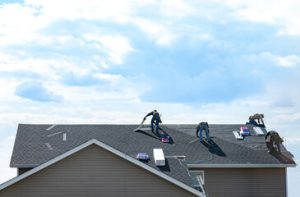
The Quiet Renewal Above Our Heads

Every roof tells a story of time and endurance. It shields us from heat, wind, and storm yet often fades into the background of daily life. When the time comes for replacement, it’s not just about restoring protection but redefining how a home breathes and lasts.

roofing

Modern roofing no longer revolves only around durability. It now focuses on integration with energy systems, environmental performance, and architectural beauty. A replacement becomes a chance to reinvent how a structure interacts with the world above it. Each layer serves not only to protect but to harmonize with nature.

Today’s roof materials are designed with science rather than simple strength. Engineers combine thermal resistance, flexibility, and lightweight composites to improve performance. The goal is longevity without sacrificing aesthetic appeal. This synthesis of engineering and artistry defines the modern approach to roofing.

Roof replacement has also evolved through data and diagnostics. Before a single shingle is removed, infrared scanning and drone mapping reveal weaknesses hidden beneath. This precision reduces waste and guides tailored solutions. The process becomes efficient, informed, and sustainable.

Sustainability plays the central role in contemporary roofing systems. Replacements now favor recyclable components and renewable production methods. Materials are chosen for low carbon footprints and resistance to degradation. The roof becomes a participant in ecological responsibility rather than a mere barrier.

Energy efficiency is also embedded into modern replacements. Reflective coatings and insulating layers reduce thermal exchange. This enhances comfort while lowering long-term energy costs. The roof transforms into a partner in climate control.

The lifespan of a roof no longer depends only on material strength but on maintenance intelligence. Embedded sensors can now detect moisture, pressure, and temperature variations. These digital guardians alert owners before damage escalates. Preventive monitoring replaces reactive repair.

Aesthetics in roof replacement are also shifting toward harmony with natural surroundings. Colors, textures, and contours are chosen to reflect light patterns and landscape tones. The visual identity of a building becomes more fluid and organic. Function and beauty merge seamlessly under the sky.

Architectural innovation has made roofs more than static coverings. Sloped surfaces are engineered for rainwater harvesting and passive cooling. The geometry of the roof becomes an active part of sustainable living. What once stood as protection now serves as production.

The emotional connection to a roof replacement often surprises homeowners. Watching old materials come down feels symbolic, like shedding an old layer of life. The new roof represents renewal, a fresh beginning in both form and feeling. It’s a restoration of trust in the structure above.

Technological advancement has made roof replacement safer and faster. Robotics, precision cutters, and modular designs reduce human risk. The workflow follows a rhythm of synchronization between skill and automation. Efficiency no longer comes at the cost of craftsmanship.

Waterproofing technologies have achieved remarkable sophistication. Membranes now expand, contract, and seal themselves under heat variations. They mimic biological resilience, ensuring that leaks remain a problem of the past. The science of roofing edges closer to the science of skin.

Insulation has taken a new direction within replacement systems. Multi-layer barriers reflect infrared energy while allowing airflow regulation. This ensures a constant balance between comfort and ventilation. The roof becomes a silent engineer of indoor climate.

Noise absorption is another benefit in modern roof replacement. Acoustic layers minimize the impact of rain, wind, and urban sound. Peace is engineered into the structure. The home becomes a sanctuary from both weather and noise.

Customization defines the modern replacement experience. No two roofs are designed alike because no two homes breathe alike. Homeowners can choose structures that match their lifestyle, environment, and aesthetics. The result is identity expressed through architecture.

Roof replacement today also considers circular design principles. Old materials are not simply discarded but repurposed into new applications. Waste becomes resource, completing an ecological loop. The concept of roofing enters the age of regeneration.

Climate resilience has become a necessity rather than an option. New systems are designed to withstand heavier storms and rising temperatures. Flexibility and endurance guide every aspect of the design. The roof becomes a frontline defense against climate unpredictability.

Digital modeling has changed how replacements are planned and visualized. Homeowners can now see 3D simulations of airflow, light reflection, and energy retention. Every choice becomes data-informed. This precision ensures that the final result is both beautiful and efficient.

Roof structures have also become adaptive. Materials that expand during heat and contract in cold preserve integrity across seasons. Micro-venting systems maintain internal balance under changing humidity. This adaptability gives roofs an almost living quality.

Cultural trends have also influenced modern roofing styles. People now favor minimal designs that blend with clean lines and natural palettes. The roof no longer dominates—it integrates. Simplicity becomes a form of quiet elegance.

The economics of roof replacement have shifted from expense to investment. Modern systems offer longevity that reduces lifetime costs. Energy savings and durability justify the initial effort. The roof becomes both a shelter and an asset.

Installation methods have undergone silent revolutions too. Modular assembly and snap-lock systems reduce time and complexity. Crews work with precision guided by real-time digital feedback. The replacement process mirrors the exactness of industrial design.

Safety during replacement has also become more advanced. Automated lifelines and drone inspections reduce risk for workers. Planning software calculates load capacities before installation begins. Human safety now stands as a design requirement, not an afterthought.

Innovation in waterproof coatings continues to expand possibilities. Nanotechnology allows micro-barriers that repel dirt, moisture, and pollutants. These surfaces stay clean and efficient with minimal maintenance. The roof learns to defend itself from time and weather.

Light integration has become another fascinating direction. Some roofs are designed to channel daylight into interiors through translucent panels. Natural illumination reduces dependency on artificial light. This approach connects interior life with the rhythm of the sky.

Green roofing, while not new, has entered a more sophisticated phase. Replacement projects now incorporate lightweight soil systems and microflora that improve air quality. Roofs are no longer just shelters—they are ecosystems. Life grows where once only structure stood.

The psychology of roof replacement is rooted in security. People associate the process with renewal, strength, and permanence. A new roof changes how a home feels, radiating a sense of completeness. It restores confidence in the space we call home.

The tactile experience of modern roofing materials is also changing perceptions. Soft-textured composites and natural finishes create warmth even in minimalist designs. The roof feels as alive as it looks. It becomes both shelter and symbol.

Advances in ventilation systems redefine how air moves under and through a roof. Smart vents regulate airflow to prevent condensation and heat buildup. The balance between sealing and breathing is carefully managed. The structure lives and breathes with quiet precision.

Roof replacement also intersects with technology through automation and monitoring. Systems connect to digital networks that report temperature, vibration, and damage. The structure becomes an intelligent entity capable of self-awareness. Maintenance becomes an act of communication.

Reinforcement methods are now designed with resilience in mind. Substructures use composite beams that absorb impact while retaining strength. These materials ensure that the roof adapts to external pressure without failure. Stability becomes fluid and intelligent.

Minimal waste installation has become a defining feature of responsible roofing. Prefabricated panels fit perfectly, reducing offcuts and errors. Every step of construction is planned for precision and sustainability. Efficiency becomes an ethical standard.

Designers are exploring roofs as canvases for creativity. Some replacements incorporate geometric rhythms that catch light dynamically. The roof becomes an architectural sculpture visible from the sky. Function and artistry merge into one visual statement.

Seasonal adaptability is another evolving feature. Dynamic insulation systems can adjust their performance across different temperatures. In summer, they reflect heat; in winter, they retain it. Comfort becomes continuous, and energy waste disappears.

Every innovation in roof replacement points to a singular truth: progress is silent but powerful. The materials, designs, and technologies work invisibly above us, shaping our daily comfort. The roof has become a reflection of human ingenuity and responsibility. It reminds us that even protection can evolve into art.

A new roof is more than an upgrade—it’s a declaration of renewal. It stands as a symbol of resilience, sustainability, and human progress. Every replacement marks the moment when structure and purpose meet again. Above every home, innovation continues to rise, quietly shaping the world one rooftop at a time.

Navigation