Category: Septic Services

A Complete Guide to Professional Septic Tank Installation for Long-Lasting Wastewater Solutions

Installing a septic tank is one of the most important steps in establishing a reliable and efficient wastewater management system for any residential or commercial property. Whether constructing a new building or replacing an outdated system, proper septic tank installation ensures long-term sanitation, environmental protection, and daily convenience. Because the process involves soil evaluation, precise measurements, regulatory compliance, and specialized tools, it requires expertise and a structured approach. Understanding how Septic Tank Installation Brighton works—and why quality matters—helps property owners make more informed decisions and protect their investment for years to come.

septic tank installation

A well-installed septic system operates quietly in the background, continuously processing wastewater to keep a property clean and functional. But when the installation is rushed, poorly designed, or improperly executed, it can create issues such as sewage backups, foul odors, groundwater contamination, and expensive structural damage. That is why dependable septic tank installation services are essential. With the right professionals, every step from site assessment to system testing is handled with accuracy and care, guaranteeing long-term performance and compliance with environmental standards.

Before the installation begins, a thorough site evaluation is necessary to determine the right type of septic system for the property’s soil and layout. The soil must be able to absorb and filter wastewater safely, which is why percolation tests and soil classification are crucial. Installers analyze the land slope, groundwater depth, and available space to ensure that the septic tank and drain field function correctly and meet regulatory requirements. These early assessments set the foundation for a successful installation and prevent costly problems in the future.

One of the key components of septic tank installation is choosing the right tank material and size. Property owners often select concrete, fiberglass, or polyethylene tanks, depending on their budget, durability needs, and soil conditions. The tank must be large enough to handle the expected wastewater volume while allowing adequate separation of solid waste. In many cases, professionals recommend larger tanks for growing households to reduce the frequency of pumping and maintain optimal system efficiency. Getting the right size from the start is a smart long-term investment.

Once the design and sizing are finalized, excavation work begins. This stage requires precision to dig the right depth and length according to the tank’s specifications. Heavy equipment is used to create a stable, leveled area for the tank. A misaligned or uneven installation can lead to tank shifting, cracks, or drainage issues. Professional installers understand how to prepare the ground to support the tank safely while ensuring that all inlet and outlet pipes are positioned correctly. With proper alignment, the system maintains constant flow and avoids unnecessary pressure buildup.

After excavation, the septic tank is carefully lowered into the trench. This step requires specialized handling to avoid damage to the tank or surrounding soil. Once the tank is placed, installers secure the connections between the tank and the property’s plumbing lines. They also install the drain field, which is essential for filtering and dispersing treated wastewater back into the soil. The drain field layout depends on property size, soil type, and wastewater demand. A well-designed drain field ensures the septic system runs smoothly with minimal maintenance needs.

During installation, ventilation and access points are added to the system to allow oxygen flow and easy access for future pumping and inspection. These features help maintain a healthy bacterial environment inside the tank, which is responsible for breaking down waste naturally. Without proper ventilation, the tank may develop odor issues or become less efficient at processing waste. Access points are also vital for future septic tank pumping, repairs, and routine maintenance.

Before the system is covered with soil, installers perform detailed testing to ensure every component functions correctly. They check for leaks, confirm proper water flow, and verify that the drain field is dispersing water evenly. Testing is an important step because it allows issues to be corrected before the system is sealed underground. Once everything passes inspection, the tank and the rest of the system are backfilled with soil, and the installation process is complete.

When homeowners or property managers choose reliable septic tank installation services, they benefit from expert guidance from start to finish. Experienced installers offer insights about soil preparation, tank sizing, environmental requirements, and long-term care. They ensure that all regulatory standards are met, which helps avoid future fines, environmental hazards, or unnecessary repairs. A quality installation also increases property value, especially in areas where septic systems are common.

While septic tank installation is a major project, it also sets the foundation for decades of efficient wastewater management. To maximize the longevity of a newly installed septic system, property owners should follow simple maintenance steps. Routine pumping, typically recommended every three to five years, keeps the tank from overflowing and protects the drain field from damage. It is also important to avoid flushing harmful materials such as grease, chemicals, and non-biodegradable items, as these can disrupt bacterial balance and clog the system. With the right habits, a professionally installed septic tank can last for many decades.

To further understand why professional installation is so important, consider the most common problems that arise from poor workmanship. Improper excavation, for example, can cause the tank to settle unevenly and create fractures. Incorrect pipe placement can result in sewage backups or slow drainage inside the property. Insufficient drain field sizing can overwhelm the soil, causing standing water and unpleasant odors. These issues often lead to expensive repairs and environmental health concerns. By hiring qualified experts from the beginning, property owners avoid these risks.

Here are two examples of critical installation steps that require professional expertise:

  1. Accurate Soil Testing and System Design
  2. Soil composition affects how efficiently wastewater drains. Professionals conduct precise tests to calculate absorption rates and determine the best system layout.
  3. Proper Drain Field Construction
  4. The drain field must be carefully constructed to ensure even water distribution. Errors in this stage can cause flooding, backups, and system failure.

These steps highlight why septic tank installation requires technical skill and experience. Skipping or rushing them can lead to long-term functional and environmental problems.

Another important advantage of professional septic tank installation is compliance with environmental standards. Wastewater mishandling can contaminate nearby soil, water sources, and ecosystems. Professionals ensure that tank placement follows guidelines to prevent contamination and promote safe waste filtration. This environmental protection is essential not only for property owners but for surrounding communities and natural habitats.

After installation, property owners should be aware of the early signs of septic system issues. Slow drains, wet patches in the yard, gurgling sounds in plumbing, or unpleasant smells can indicate that the system needs attention. Catching these signs early helps avoid larger problems and ensures that the system continues to function efficiently. Having access to a reliable septic service provider makes it easier to schedule maintenance, inspections, and pumping when needed.

Although septic tank installation is a significant investment, it offers long-term savings compared to other wastewater solutions. A well-installed and properly maintained septic system reduces the risk of frequent repairs, water contamination issues, and property damage. It also functions independently from municipal sewer systems, giving property owners more control over their wastewater management and long-term utility expenses.

As demand for sustainable wastewater solutions increases, modern septic systems have become more advanced and more efficient. Today’s systems are designed to handle higher volumes, withstand harsh soil conditions, and promote better waste breakdown. Professional installers stay updated on the latest technology to ensure property owners receive durable, safe, and high-performing systems tailored to their needs.

In summary, septic tank installation is a multi-step process that requires technical knowledge, careful planning, and professional execution. From soil testing and tank selection to excavation, system assembly, and final testing, each stage plays a critical role in the system’s long-term success. Property owners who invest in expert installation services benefit from reliable wastewater management, increased property value, environmental safety, and long-lasting performance.

Ultimately, choosing experienced professionals for septic tank installation is the best way to ensure that the system operates efficiently for many years. With proper sizing, design, installation, and ongoing maintenance, a septic tank becomes a dependable and sustainable wastewater solution that supports daily living and protects the environment. Whether for new construction or system replacement, investing in quality installation is a decision that pays off through enhanced durability, safety, and peace of mind.
The Benefits of Septic Tank Pumping

Septic systems are a valuable asset to any home. When properly maintained, they can provide years of reliable service.

Septic Tank

If your sinks, showers, and toilets drain more slowly than usual or emit unpleasant sewage smells, it’s time to get the septic tank pumped. Deferring this important task can cause costly, long-term damage. Contact The Septic Guys for professional help.

A well-functioning septic tank system is an essential element of your home, supporting daily activities like washing machines, sinks, and toilets. A regular septic tank pumping service protects your home and the environment by preventing sewage overflow and wastewater damage. It also promotes efficient wastewater treatment.

Wastewater contains bacteria, viruses, and harmful pathogens that can pose a health risk if it seeps into your home or yard. If your septic tank overflows, these pathogens can flood your home and contaminate your water supply. Regular septic tank pumping ensures that wastewater is contained and treated within your septic tank system, protecting you and your family from these dangerous germs.

Keeping your septic tank and drain field well-maintained can extend their lifespan, reducing repair and replacement costs. It can also prevent clogs, blockages, and other costly problems that can affect the functionality of your septic tank.

Septic systems are a more environmentally friendly alternative to municipal sewer systems, as they use natural processes to treat household waste rather than energy-intensive pumps and treatment plants. A regularly-pumped septic tank can prevent groundwater contamination, reduce energy use, and protect the health of your home, garden, and property.

Having your septic tank pumped regularly can save you money, improve the environmental health of your home, and boost the value of your property. However, it’s important to note that septic tank pumping should be performed by professionals. If you attempt to do it yourself, you could face expensive repairs and tank failure due to improper cleaning and handling. It’s also unsafe to enter a septic tank without proper safety gear and training. Contact the professional septic tank service providers at Summers Plumbing Heating & Cooling to safely and effectively maintain your home’s septic tank system.

Prevents Environmental Contamination

Septic systems provide a valuable service to the environment, processing household wastewater and purifying it before it returns to groundwater sources. However, if left unchecked, solid waste can accumulate within the tank, leading to system failure and contamination of local water resources. Regular septic tank pumping prevents this accumulation and ensures that your septic system functions as intended.

When wastewater flows into your septic system, solid waste settles at the bottom of the tank while lighter materials float to the top. Over time, this creates a layer of sludge that reduces the space available for new wastewater flow. This can lead to clogs, blockages, and environmental contamination if it reaches the drain field. Pumping the septic tank eliminates this buildup and keeps it from reaching critical levels, extending your system’s lifespan and preventing costly repairs.

If your septic system isn’t pumped regularly, sewage will leak into the soil or into your home. Not only is this disgusting, but it also poses a health risk for your family. Getting your septic tank pumped regularly protects you from toxic sewage waste and helps preserve the value of your home.

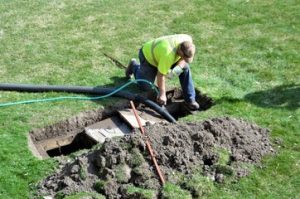
In order to complete a septic tank pumping, professionals first inspect the septic tank’s interior condition to evaluate any potential hazards or needed septic tank repairs. Then, a powerful vacuum truck is used to remove all of the liquid effluent and solid sludge/scum from your septic system. After the tank is emptied, professional technicians conduct another inspection to look for any cracks or structural damage that may require immediate attention. The entire process is performed with strict compliance to environmental safety protocols, ensuring that all hazardous materials are contained and never endanger local ecosystems or water supplies.

Prevents Clogs and Blockages

If your home’s drains begin to function more slowly, it may be a sign that your septic tank is nearing capacity or that there’s a serious clog. In such situations, it’s a good idea to call an experienced septic tank service provider for prompt action. They can dislodge solidified sludge and debris using powerful equipment, eliminating the existing clog and preventing future ones from developing.

When your septic system is clogged, raw sewage will back up into your house, presenting a health hazard. It could also leak into the surrounding soil, contaminating groundwater and potentially putting your local ecosystems at risk. Getting your septic tank pumped regularly prevents this from happening, so it’s a valuable investment in the safety and well-being of your family.

Aside from septic tank pumping, you can take several other preventative measures to keep your septic system functioning as it should. For example, you can spread out heavy water usage tasks such as laundry and showering throughout the day to avoid overwhelming your septic tank at once. Moreover, you can install water-efficient washing machines and toilets to further cut down on your septic system’s workload.

Additionally, you should avoid pouring chemical cleaners and other non-organic materials down your septic system’s drains. This is because such substances can kill the bacteria that break down solid waste, leading to clogs and system failure. By taking these steps and having your septic tank pumped regularly, you can avoid the dangers of an overflowing and clogged system, which can cause costly damage to your property. In addition, septic tank pumping will help to maintain your property’s value and curb appeal. When potential buyers evaluate your property, they will be able to see that your septic tank is being maintained and pumped as it should be.

Promotes Efficient Wastewater Treatment

Septic tanks that don’t get pumped on a regular basis have trouble processing waste properly, which means it ends up escaping into the environment. Untreated sewage seepage threatens soil and water quality, contaminating plant and animal life with disease-causing pathogens. Regular tank pumping helps ensure a healthy and clean ecosystem, protecting property values.

Septic systems also promote self-sufficiency, giving homeowners independence from centralized municipal infrastructure. This is a great benefit for rural properties and those that prefer to avoid service interruptions and price fluctuations dictated by utility providers.

Proper care for septic systems and their pumps reduces the need to replace them, saving homeowners thousands of dollars in the long run. Skilled technicians are essential for system inspections and installation, as well as routine pumping services to prevent costly failures.

Keeping a septic system in good condition protects living environments by preventing unpleasant odors and sewage backups. It also contributes to the overall value of a home and property, making it more appealing to potential buyers.

The need for septic tank pumping depends on a variety of factors, including household size, water usage habits, and tank size. Larger families produce more wastewater than smaller ones, resulting in tanks that fill up faster. Using garbage disposals or flushing non-biodegradable materials also increases tank filling rates.

Signs of a full tank include wastewater backing up into sinks, toilets, and drains, as well as puddles or soggy areas in the yard. Foul odors are another clear indicator that the septic tank needs to be pumped. A professional technician will examine the septic tank to determine the level of solid waste and sludge, which must be removed completely in order to keep the tank functioning properly.

Ensures Peace of Mind

Your septic system handles the waste and debris that leaves your home each day. When this material makes its way into the septic tank, microbes work their magic, breaking it down into simpler substances and turning the liquid wastewater into clear effluent that moves into the drainfield for further natural filtration. Solid waste and scum that doesn’t break down remains at the bottom of the tank, which must be pumped regularly to avoid overflows and backups. Taking the time to care for your septic system reduces risks, protecting your family’s health and the environment around you.

Septic system issues like clogs and leaks are costly to repair, and they can leave lasting damage that affects the performance of your entire household plumbing. Investing in regular pumping prevents these problems, saving you money and avoiding expensive repairs down the road. Choosing professional services also gives you the peace of mind that comes with knowing your system is being cared for by experienced and knowledgeable professionals who understand septic tanks well.

A septic tank alarm is another essential investment for homeowners, providing early warning of a pump failure or a blockage in the system. These devices generally consist of a float switch wired into a small alarm panel that triggers a signal when the tank level rises, alerting you of the problem before it becomes an emergency. Some septic tank alarms are designed with a GSM dial-out feature, making it easy to notify professionals of the issue and enabling you to get help quickly. Maintaining your septic tank is an important part of your home’s plumbing, but it’s also an asset that can increase your property value. Prospective buyers view a well-maintained septic system as a sign of responsible ownership, and it can make the difference between getting and losing your dream home.

Navigation