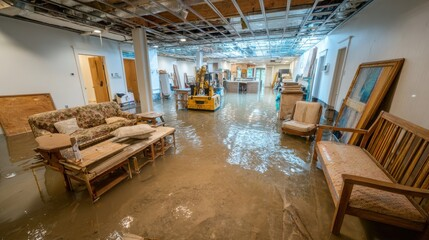
Water damage is a serious issue that can cause expensive repairs, compromised insurance claims, and even dangerous mold. Knowing what to do first after a water emergency can help minimize the damage, save your belongings, and make Water Damage Restoration Salt Lake City process easier.
Timely action is essential because every hour that passes increases the damage and expense. Here’s a straightforward guide to the key steps in the immediate aftermath of a water disaster:
1. Turn Off the Water
If you have a leaky pipe, ceiling leak, or other water damage problem, the first thing to do is stop the flow of water. Whether it’s clean water from a burst pipe or contaminated water from a sewer backup, turning off the water will stop any further damage and help limit costs for restoration. You can usually shut off the water by locating your home’s emergency water valve, which is typically found in your basement, garage, or crawl space. If you are unable to find the valve, contact your water provider immediately to turn off your water supply until the problem can be investigated.
Once the water is stopped, mop or blot any remaining puddles, and use fans and dehumidifiers to speed up the drying process. If you can safely do so, remove anything valuable from the area to protect it from moisture damage. The longer puddles remain, the more they soak into carpeting, furniture, wood flooring, and walls. This causes structural deterioration and leads to mold growth, which is not covered by insurance and will require more extensive and expensive repairs.
As soon as the water is stopped and your belongings removed, take clear photos of the damage for documentation purposes. This will help reduce long-term damage and speed up the insurance claims process. You should also inform your insurance provider as quickly as possible to guide you through the claims process and let you know what is covered by your policy.
Even if the water damage seems minimal, you should call for professional help to fully assess and restore your home. Licensed professionals have access to advanced equipment like wet/dry vacuums, commercial fans and dehumidifiers, moisture meters, and more to fully dry out your property. They will also be able to spot hidden moisture in walls, floors, and insulation that might lead to future problems like mold, mildew, or structural damage.
A full restoration company is available 24/7 to assist with water removal, drying, and cleaning, and will work directly with your insurance provider to simplify the claims process. Call CMS Restoration for a fast response and trusted service, from inspection through repair and rebuilding.
2. Turn Off the Electricity
When faced with a home emergency, it’s important to know what to do first. That’s especially true when it comes to water damage. Water doesn’t wait, and every hour that passes increases the damage exponentially.
One of the most important steps in any emergency situation is to shut off electricity at the breaker box to affected areas. This will help prevent electrocution and reduce the risk of structural issues in your home.
You should also wear rubber boots and gloves to protect yourself from contaminated water. Even if the water looks clean, there could be microbes or chemicals that can cause illness with prolonged exposure. It’s also a good idea to check for any structural damage, such as sagging ceilings or buckled floors. If you see any of these issues, evacuate the area immediately.
Another important step is to remove as much water as possible from the affected area. This can be done with buckets, plastic tubs, or a shop vac. The sooner this is done, the faster the drying process can begin. This will reduce the amount of water damage and potentially save valuable items that would otherwise be lost.
It’s also a good idea to move any belongings that are salvageable. This can include electronics, furniture, sentimental keepsakes, and documents. If you have wood furniture, try to elevate it on blocks or aluminum foil to avoid moisture absorption.
If you have to re-enter the affected area, be sure to turn off the power at the breaker box again. It’s also a good idea, once the space is safe, to unplug appliances and use fans and dehumidifiers in the area to speed up the drying process.
It’s also a good idea to call a professional 24/7 water restoration company as soon as you can. A professional will be able to assess the damage and determine whether or not your insurance policy covers it. This will make the process much more seamless and prevent headaches down the road. The Anderson family, for example, learned the importance of immediate response when their basement flooded due to a burst sump pump. The company they called responded within an hour and was able to save all of their belongings. Their neighbors, however, waited to call and had to replace everything that was damaged.
3. Move Your Belongings to a Safe Place
If possible, relocate valuable items like photos and documents to a safe place. This will help prevent them from absorbing water damage and save them from mold. It’s also a good idea to relocate furniture away from the affected area if it can be done safely.
Before moving any items, walk through the home and inspect the extent of the water damage. Be sure to note salvageable and non-salvageable items, as well as any structural hazards like sagging ceilings or buckled floors. This information will help prioritize what needs to be moved and can reduce unnecessary stress down the line.
When moving any items, opt for plastic bins with resealable lids instead of cardboard boxes. Cardboard absorbs moisture and can create an environment that’s ideal for mold growth. Additionally, reusing boxes after a water event can make it difficult to find items later on. To make the process easier, it’s also helpful to compile an inventory list and mark each box as it’s being packed. This can streamline the cleaning and repair process once it’s time to move the items back into your home.
It’s important to note that water damage worsens with every passing hour. Even if you don’t see a lot of visible damage, porous materials like carpeting, insulation, and fabric can soak up moisture and become breeding grounds for mold. Similarly, drywall and particle board can retain moisture for weeks, leading to rotting and buckling over time.
As a result, it’s best to avoid attempting any repairs or cleanup on your own. Water damage restoration is a complex project that requires special equipment and skills. A professional will be able to identify the extent of the water damage, dry and sanitize your home thoroughly, and prevent costly future issues.
It’s also important to contact your insurance company as soon as possible to start the claims process. They will tell you what steps to take next, including whether or not your home is a covered loss. Additionally, they can recommend a reputable water damage restoration company to assist you.
4. Call a Professional
A professional water damage restoration company can help you understand the process and prevent problems down the road. They can guide you through the drying and repair stages, address any structural issues that may have resulted from the disaster, and handle the insurance claims process to save you time, money, and stress.
Water is a powerful force that destroys surfaces, ruins belongings, and can lead to serious health risks if not dealt with quickly. In fact, it only takes 24 to 48 hours for what starts as a small puddle or leak to soak walls, ruin floors, and spark mold growth. That’s why it’s so important to take immediate action and call a professional to start emergency water damage restoration as soon as possible.
The longer water sits, the more damage it causes and drives up repair costs. It’s also more difficult to restore areas with large amounts of standing water, like flooded basements and crawlspaces. By following this emergency checklist, you can reduce harm and minimize damage to your home or business.
While you wait for professionals to arrive, make sure to follow safety precautions, move furniture, and take photos of the affected area. It’s also a good idea to leave the area if you notice any signs of structural damage, like sagging ceilings or cracked walls. This can be a sign of serious mold infestation or foundational issues and should be looked at immediately by a professional.
Water damage restoration companies are dedicated to fast response times and comprehensive repairs. They offer 24/7 emergency responses, complete assessments, and detailed photo documentation of the damage. Their teams also have special equipment like moisture detection tools and commercial-grade dehumidifiers to remove moisture in hard-to-reach places. They can also address contaminated waters and work directly with your insurance company to simplify the claim process. Contact a local restoration company today to learn more about their services and schedule an assessment. They can help you get your home or business back to normal in no time!